Compression & circulation · Stamford, CT

Keep circulation — and life — flowing.

Kinetyx Flow helps people in lower Fairfield County understand and use compression — from everyday stockings to lymphedema garments, pneumatic compression devices and cold and heat therapy. Calm explanations, careful measuring, and your clinician's plan at the center.

  • Garments & stockings
  • Pneumatic compression
  • Cold & heat therapy
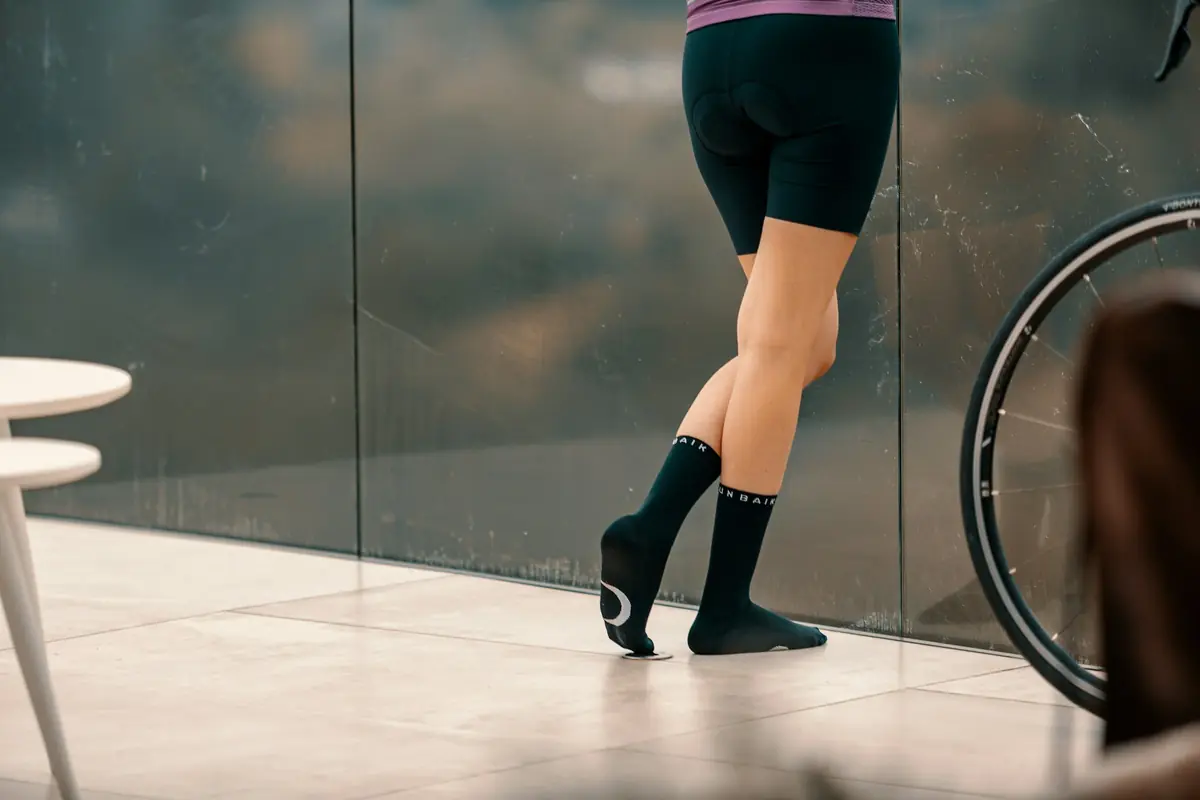
A woman in knee-high socks walking past a wall of glass
What compression does

Gentle pressure, working from the ankle up

Veins in the legs carry blood back up to the heart, against gravity. Tiny valves and the squeeze of the calf muscles keep it moving. When valves weaken, or when we sit or stand still for hours, blood and fluid can pool — and legs feel heavy, achy or swollen.

Graduated compression helps by applying the most pressure at the ankle and gradually less toward the knee or thigh. That gentle gradient supports the veins and encourages fluid to keep moving upward.

The strength is measured in millimeters of mercury (mmHg). Lighter levels are often used for comfort and travel. Firmer levels are usually recommended by a clinician for specific conditions and need proper measuring.

  • SupportHelps vein walls and valves do their work
  • MoveEncourages fluid back toward the heart
  • ComfortCan ease heaviness from long days on your feet
How graduated compression worksA lower leg with four bands. The band at the ankle is the firmest and each band above it is gentler, helping blood move upward toward the heart.Firmestat the ankleGentlertoward the knee
Compression Levels Explainer

Slide through the common ranges

Each range is used for different situations. This is general information to help you follow the conversation with your clinician — not a recommendation for you.

  • 8–15 mmHg: Light support The gentlest range, often chosen for comfort.
  • 15–20 mmHg: Everyday support A moderate range many people wear for travel and busy days.
  • 20–30 mmHg: Firm, medical-grade support The range clinicians recommend most often for vein and swelling concerns.
  • 30–40 mmHg: Extra-firm support A strong range used under a clinician's direction.
Therapy equipment

Beyond garments

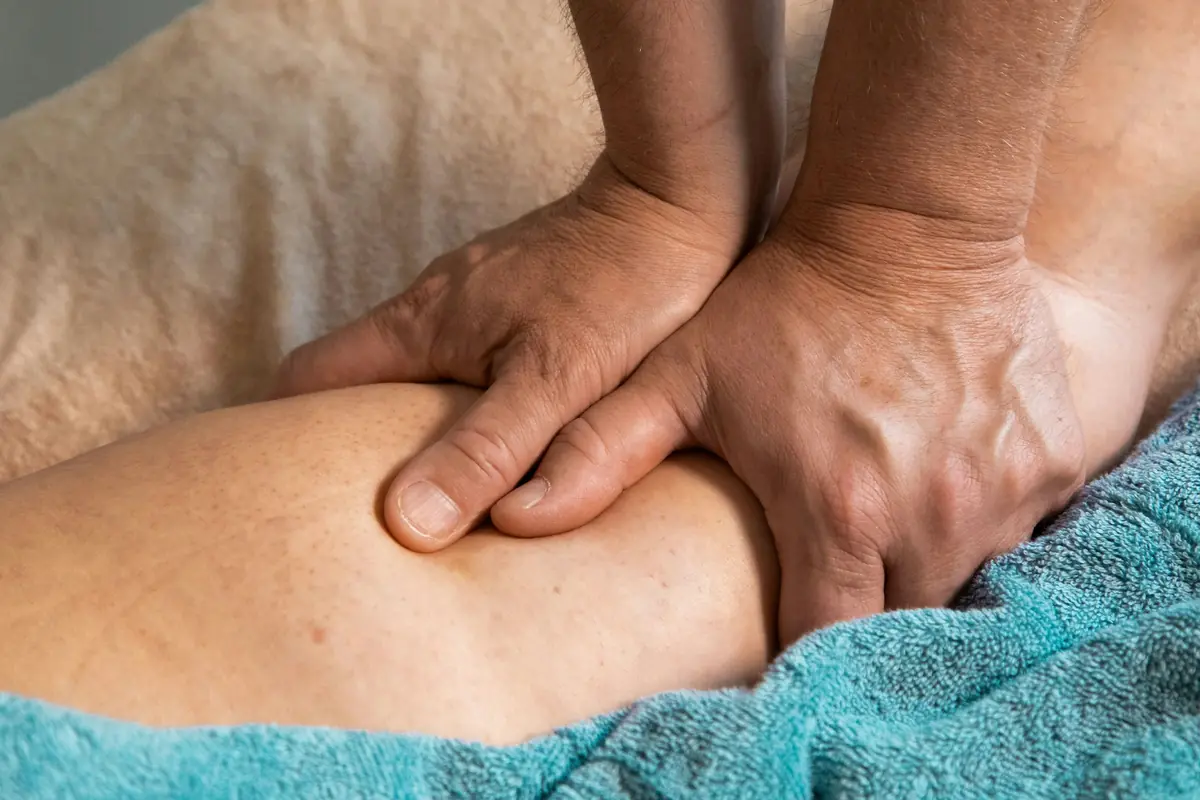
Hands gently pressing a person's calf resting on a blue towel
Pneumatic compression · Cold & heat

Devices that support the plan at home

Some care plans add equipment to daily garments. Pneumatic compression devices use an inflatable sleeve that fills and releases in a pattern, often as part of lymphedema or venous care. Cold and heat therapy products help with comfort and recovery after injury or surgery.

We explain how each category works, what a clinician's order typically involves, and how to use the equipment safely at home.

  • Pneumatic compression devices and sleeves
  • Cold therapy wraps and packs
  • Moist and dry heat options
Explore therapy equipment
Measuring & fitting

A good fit is half the benefit

Compression only works as intended when it fits. A garment that is too loose does little; one that is too tight can be uncomfortable or harmful.

  1. Start with the plan

    Bring your clinician's recommendation — the level, garment style and length.

  2. Measure early

    Measurements are best taken in the morning, before swelling builds through the day.

  3. Match the size

    Ankle, calf and length measurements guide the size and whether a standard or custom fit makes sense.

  4. Learn to put it on

    We share tips and donning aids that make getting garments on easier on your hands.

A person standing in grass wearing white knee-high socks

About coverageCompression garments, lymphedema supplies and pneumatic compression devices may be covered by Medicare, Medicaid or private insurance when medically necessary and properly documented. Plans vary — call us and we'll talk through what to ask.

Visit or call

On East Main Street in Stamford

Kinetyx Flow LLC
1266 East Main Street
Suite 700R
Stamford, CT 06902
Call ahead to plan a time for questions or measuring — we'll confirm what works.

We're at 1266 East Main Street near the Glenbrook side of Stamford, with easy access from I-95 and the Merritt Parkway for neighbors in Greenwich, Darien, Norwalk and New Canaan.

  • Greenwich
  • Darien
  • Norwalk
  • New Canaan
  • Glenbrook

Questions about compression? Let's talk them through.

Bring your clinician's recommendation, or just your questions. We'll take it one step at a time.